
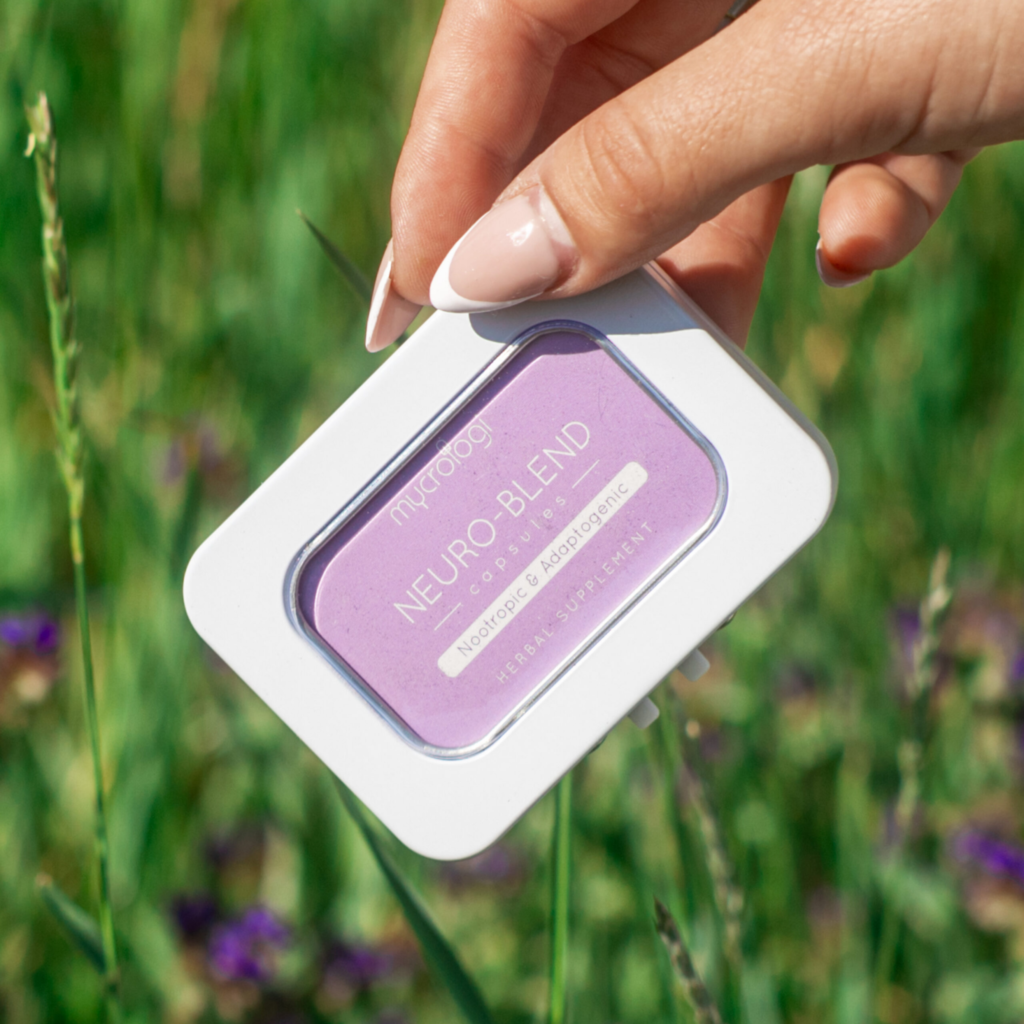
Microdosing psilocybin has gone from a niche practice among Silicon Valley biohackers to a global wellness trend embraced by creatives, professionals, and everyday people looking for a new approach to mental clarity. At the center of this movement are microdosing capsules – pre-measured, easy-to-use formats that have made structured psilocybin protocols more accessible than ever before.
The appeal is straightforward: take a sub-perceptual amount of psilocybin on a scheduled cycle, and over time, many practitioners in observational studies report subtle but meaningful shifts in focus, mood, and creative thinking – though controlled research is still ongoing.
But with multiple protocols to choose from and a growing range of products on the market, knowing where to start can feel like its own challenge.
This guide walks you through the most popular microdosing protocols, explains how capsule-based dosing works, and covers what current research says. Use it as a starting point for deciding whether microdosing capsules are right for your wellness journey.
Key Takeaways
- Microdosing involves taking sub-perceptual amounts of psilocybin (typically 0.1 to 0.3 grams) on a structured schedule over several weeks.
- The two most widely followed protocols are the Fadiman Protocol (one day on, two days off) and the Stamets Stack (four days on, three days off, combined with Lion’s Mane and niacin).
- Microdosing capsules offer precise, consistent dosing that eliminates the guesswork of measuring raw mushrooms.
- Observational studies and anecdotal reports suggest benefits for mood, focus, and creativity, though rigorous clinical evidence is still being gathered.
- Capsules are the preferred format for microdosing because each unit delivers an exact, repeatable amount.
What Is Microdosing and How Does It Work?
Microdosing refers to the practice of consuming very small amounts of a psychoactive substance – in this case, psilocybin – at regular intervals. The defining feature of a microdose is that it is sub-perceptual: the amount is small enough that it does not produce any noticeable psychedelic effects like visual changes, altered perception, or impaired function.
The goal is not to “trip” but to introduce psilocybin into the body at levels that researchers believe may influence neurochemistry in subtle ways. Psilocybin is converted to psilocin in the body, which interacts with serotonin receptors – particularly the 5-HT2A receptor.
Scientists have hypothesized that even at very low doses, this interaction may support neuroplasticity, the brain’s ability to form new neural connections and pathways.
Most microdosing practitioners follow a structured protocol rather than dosing daily. The reasoning behind cycling – alternating dose days with rest days – is to prevent tolerance buildup and allow the body to return to baseline between doses.
The Fadiman Protocol: The Most Popular Microdosing Schedule
The Fadiman Protocol is named after Dr. James Fadiman, a psychologist and researcher often called the “father of microdosing.” His approach, outlined in his book and subsequent research, is the most widely adopted microdosing schedule in the world.
The schedule: One dose day, followed by two rest days, repeated in a cycle. A typical cycle looks like this – Day 1: microdose, Day 2: rest (observe aftereffects), Day 3: rest (return to baseline), Day 4: microdose, and so on.
Recommended duration: Fadiman suggests following this protocol for four to eight weeks, then taking a two-to-four-week break before starting another cycle.
Why it works: The two-day gap prevents rapid tolerance buildup to psilocybin. It also creates a built-in observation period – Day 2 often carries a subtle “afterglow” effect, while Day 3 serves as a true baseline comparison. This structure helps practitioners notice patterns and evaluate whether microdosing is producing meaningful changes.
The Fadiman Protocol is generally recommended for beginners because of its simplicity and the generous rest periods between doses. You can explore both major protocols in detail on Mycrologi’s protocols page.
The Stamets Stack: A Nootropic-Enhanced Approach
The Stamets Stack was developed by mycologist Paul Stamets, one of the world’s foremost mushroom researchers and advocates. His protocol differs from Fadiman’s in both schedule and composition.
The schedule: Four days on, three days off. This more frequent dosing cadence introduces psilocybin more regularly than the Fadiman approach.
The stack: What makes this protocol unique is that it combines psilocybin with two other compounds – Lion’s Mane mushroom and niacin (vitamin B3). Stamets has proposed that this combination may create a synergistic effect.
Lion’s Mane has been independently studied for its potential to support nerve growth factor (NGF) production, while niacin is included for its vasodilating properties, which Stamets theorizes may help distribute the active compounds more effectively.
Why people choose it: The Stamets Stack appeals to users who are interested in the nootropic (cognitive enhancement) angle of microdosing. The addition of Lion’s Mane – a functional mushroom with its own body of research around cognitive function – adds a dimension that the Fadiman Protocol does not include.
Both protocols are legitimate approaches, and many practitioners experiment with both before settling on the one that feels most aligned with their goals and lifestyle.
Why Microdosing Capsules Are the Preferred Format
While psilocybin can be consumed in many formats – dried mushrooms, teas, chocolates, gummies – microdosing capsules have become the gold standard for structured microdosing. Here is why:
Precision. Each capsule contains an exact, pre-measured amount of psilocybin. When you are working with sub-perceptual doses where the difference between 0.1 grams and 0.3 grams can significantly affect the experience, precision is not optional – it is essential.
Consistency. Capsule manufacturing ensures that every unit in a batch delivers the same amount. This consistency is critical for following a protocol faithfully and accurately evaluating results over time.
Convenience. A capsule fits into any daily routine without preparation, measuring equipment, or taste concerns. You take it like any other supplement – with water, at the same time each day.
Discretion. Capsules look identical to any standard supplement, making them easy to integrate into your wellness routine without drawing attention.
Formulation options. Many producers offer capsules with specific blends tailored to different goals. For example, some formulations pair psilocybin with functional mushrooms like Lion’s Mane or Reishi for a nootropic-focused stack, while others offer pure psilocybin for those following a specific protocol.
What Does Research Say About Microdosing?
The scientific community’s understanding of microdosing is evolving rapidly. Here is where things stand:
Observational studies and surveys have consistently documented that microdosers self-report improvements in mood, focus, creativity, and emotional regulation. Large-scale surveys published in journals like Psychopharmacology and Scientific Reports have documented these self-reported observations across thousands of participants.
Controlled clinical trials have produced more mixed results. Some studies have found that the benefits of microdosing may be partially attributable to expectancy effects – the psychological impact of believing you are taking an active substance. A notable study found that participants who received placebo capsules in a self-blinding design reported similar improvements to those who received actual psilocybin.
Emerging clinical research is now moving beyond surveys into rigorous, controlled designs. A phase II clinical trial protocol published in 2026 outlines a double-blind, placebo-controlled study examining microdosed psilocybin as a research intervention for major depressive disorder – representing the kind of formal investigation that researchers and advocates have long called for.
In short, the evidence picture is mixed: many people who microdose report perceived benefits, and the biological mechanisms through which psilocybin could produce subtle effects at low doses are scientifically plausible. But researchers are still gathering gold-standard clinical evidence to confirm these effects beyond placebo. This is an active, fast-moving area of research.
How to Start a Microdosing Practice
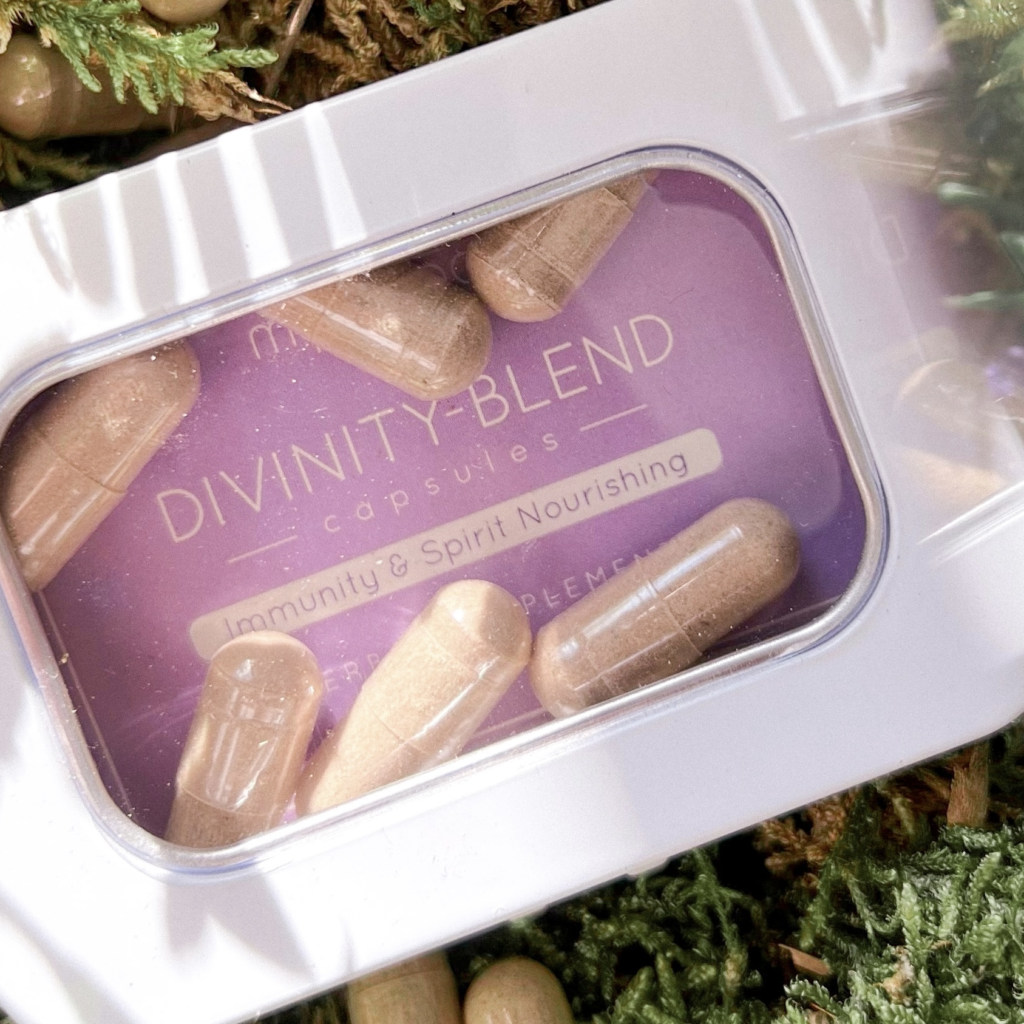
If you are considering adding microdosing mushroom capsules to a structured plant medicine practice, here is a practical framework for getting started:
Choose your protocol. Start with the Fadiman Protocol if you are new to microdosing – its simplicity and generous rest days make it the most forgiving for beginners. Consider the Stamets Stack if you are drawn to the nootropic angle and want to incorporate Lion’s Mane.
Select your capsule. Choose a product with clear labeling that specifies the exact psilocybin content per capsule. Transparency in ingredients and sourcing is a non-negotiable marker of quality.
Start at the low end. Most practitioners recommend beginning with the lowest available dose and observing how you feel over the first week. The guiding principle is sub-perceptual experience – experienced practitioners note that any noticeable psychoactive effects suggest the amount may be too high.
Track your experience. Keep a simple daily journal noting mood, energy, focus, sleep quality, and any other relevant observations. Patterns often emerge over two to three weeks that are not obvious day to day.
Commit to a full cycle. Most practitioners recommend following a protocol for at least four weeks before evaluating results. Microdosing is a practice, not a one-time event – practitioners commonly report that any effects tend to compound gradually rather than appearing immediately.
Your Path to a Mindful Microdosing Practice
Microdosing capsules have made intentional plant medicine practice more precise, consistent, and accessible than it has ever been. Whether you are drawn to the Fadiman Protocol’s measured simplicity, the Stamets Stack’s nootropic-forward approach, or something in between, the capsule format gives you the control and reliability that structured microdosing demands.
The key is to approach the practice with intention, patience, and curiosity. Start low, follow a protocol, track your experience, and give the process enough time to reveal its effects. Microdosing is not about dramatic overnight transformation – it is about subtle, cumulative shifts that some practitioners describe as personally meaningful over time.
Explore Mycrologi’s full range of microdose capsules to find the right formulation for your protocol and goals, or visit the education hub for more on intentional psilocybin use.
Frequently Asked Questions
What is the typical microdose amount for psilocybin capsules?
A standard microdose of psilocybin is generally considered to be between 0.1 and 0.3 grams of dried mushroom equivalent. The exact amount varies by individual, but the defining characteristic is that it should be sub-perceptual – meaning you should not feel any noticeable psychedelic effects. Most commercially available microdose mushroom capsules are formulated within this range.
How often should you microdose?
The two most popular schedules are the Fadiman Protocol (one day on, two days off) and the Stamets Stack (four days on, three days off). Both include rest periods to prevent tolerance buildup. A typical microdosing cycle lasts four to eight weeks, followed by a break of at least two weeks before beginning another cycle.
Can you microdose while working or going about your normal day?
Yes – that is the entire point of microdosing. Because the dose is intended to be sub-perceptual, most practitioners report it does not impair their ability to work or function normally – though individual responses vary and users should assess their own experience before activities like driving. Many practitioners take their microdose in the morning as part of their regular supplement routine. If you notice any cognitive or perceptual changes that affect your function, the amount is likely too high.
What is the difference between the Fadiman Protocol and the Stamets Stack?
The Fadiman Protocol follows a simpler one-on, two-off schedule using psilocybin alone. The Stamets Stack uses a more frequent four-on, three-off schedule and combines psilocybin with Lion’s Mane mushroom and niacin for a potential synergistic nootropic effect. The Fadiman Protocol is generally recommended for beginners, while the Stamets Stack appeals to those interested in cognitive enhancement.
How long does it take to notice effects from microdosing?
Most practitioners report that meaningful patterns begin to emerge after two to three weeks of consistent practice. Some practitioners report noticing subtle shifts in mood or focus within the first week, while others require a full four-to-eight-week cycle to evaluate results. Keeping a daily journal is the most reliable way to track gradual changes that might otherwise go unnoticed.